When your garage door stops working, your whole day can fall apart. Fortunately, garage door repair West Lincoln homeowners rely on is easier to understand than most people think. This guide explains common problems, safe next steps, and how to pick the right professional. As a result, you can act quickly and avoid costly surprises.
Your garage door is likely the largest moving part in your home. It opens and closes thousands of times each year. Therefore, even small faults deserve attention before they turn into major failures.
Warning Signs Your Garage Door Needs Attention
Garage doors rarely fail without warning. Most give clear signals days or weeks before a breakdown. Learning to spot these signs helps you schedule repairs on your own terms.
Watch for these common red flags:
- Loud grinding, squeaking, or scraping during operation
- A door that moves slowly or jerks along its track
- Uneven closing, where one side hangs lower than the other
- A remote or wall button that works only some of the time
- Visible gaps, frayed cables, or sagging sections
If you notice any of these, stop using the door when possible. Continued use can turn a minor fix into a full replacement.
Common Problems and How Technicians Fix Them
Most service calls involve a handful of familiar issues. Understanding them helps you talk confidently with your repair provider.
Broken Springs
Springs carry the full weight of the door. Over time, they wear out and snap, often with a loud bang. A door with a broken spring will feel extremely heavy or refuse to lift at all.
Spring replacement is not a do-it-yourself job. The springs are under intense tension and can cause serious injury. Instead, call a trained technician who has the right tools.
Off-Track Doors and Damaged Rollers
Rollers guide the door smoothly along its tracks. When they crack or wear down, the door can slip out of alignment. Additionally, a minor impact from a car can bend the track itself.
A technician can realign the track, replace worn rollers, and test the balance. This usually restores quiet, smooth movement in a single visit.
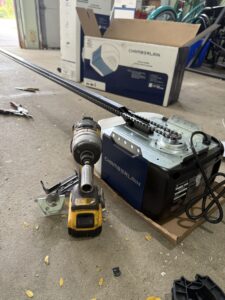
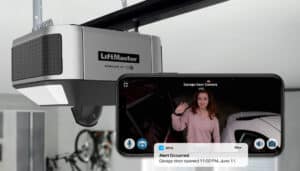
Opener and Sensor Failures
Sometimes the door itself is fine, but the opener fails. Misaligned safety sensors are a frequent culprit. For example, a dusty lens or a bumped sensor can stop the door from closing.
Start by wiping the sensor lenses and checking that the indicator lights are steady. If the problem continues, the opener may need adjustment or replacement.
Choosing Garage Door Repair in West Lincoln
Not every provider offers the same quality. Choosing carefully protects both your safety and your budget. Local knowledge also matters, since weather and seasonal changes affect how doors perform.
Consider these factors before you book:
- Proof of licensing and insurance
- Clear, upfront pricing with no hidden fees
- Positive reviews from nearby neighbors
- Warranties on both parts and labor
- Fast response times for emergency calls
Moreover, ask whether the technician carries common parts on the truck. This often means your repair is finished on the first visit. A reliable company will also explain the problem in plain language.
Simple Maintenance to Extend Your Door’s Life
Regular care can prevent many repairs entirely. A few minutes each season goes a long way. In addition, routine checks help you catch wear early.
Lubricate the hinges, rollers, and springs twice a year using a garage-door-specific lubricant. Tighten any loose hardware, since vibration gradually shakes bolts free. Also, inspect the weatherstripping along the bottom edge for cracks or gaps.
You can run a quick balance test as well. Disconnect the opener and lift the door halfway by hand. If it stays in place, the springs are balanced. If it drops or rises, call a professional to adjust it.
Repair or Replace: Making the Right Call
Not every problem calls for a new door. In general, repairs make sense when damage is limited to one part or panel. On the other hand, replacement may be smarter for doors that are decades old.
Consider replacement if repairs keep recurring or if several parts are failing at once. A modern door also offers better insulation, quieter operation, and improved security. Ask your technician to compare the long-term costs of both options.
Frequently Asked Questions
How long does a typical garage door repair take?
Most repairs, such as roller or spring replacement, take one to two hours. Larger jobs like panel replacement can take longer.
Can I repair my garage door myself?
Simple tasks like lubrication and sensor cleaning are safe for homeowners. However, springs and cables should always be handled by a professional.
How often should I service my garage door?
An annual professional inspection is a good rule. This helps catch wear before it causes a breakdown.
What does garage door repair cost?
Costs vary by problem and parts. Always request a clear estimate before work begins.
Final Thoughts
A well-kept garage door protects your home, your vehicles, and your peace of mind. By spotting early warning signs and choosing a trusted technician, you avoid stress and unexpected expenses. If your door is acting up, consider scheduling an inspection soon, so small issues never become big ones.